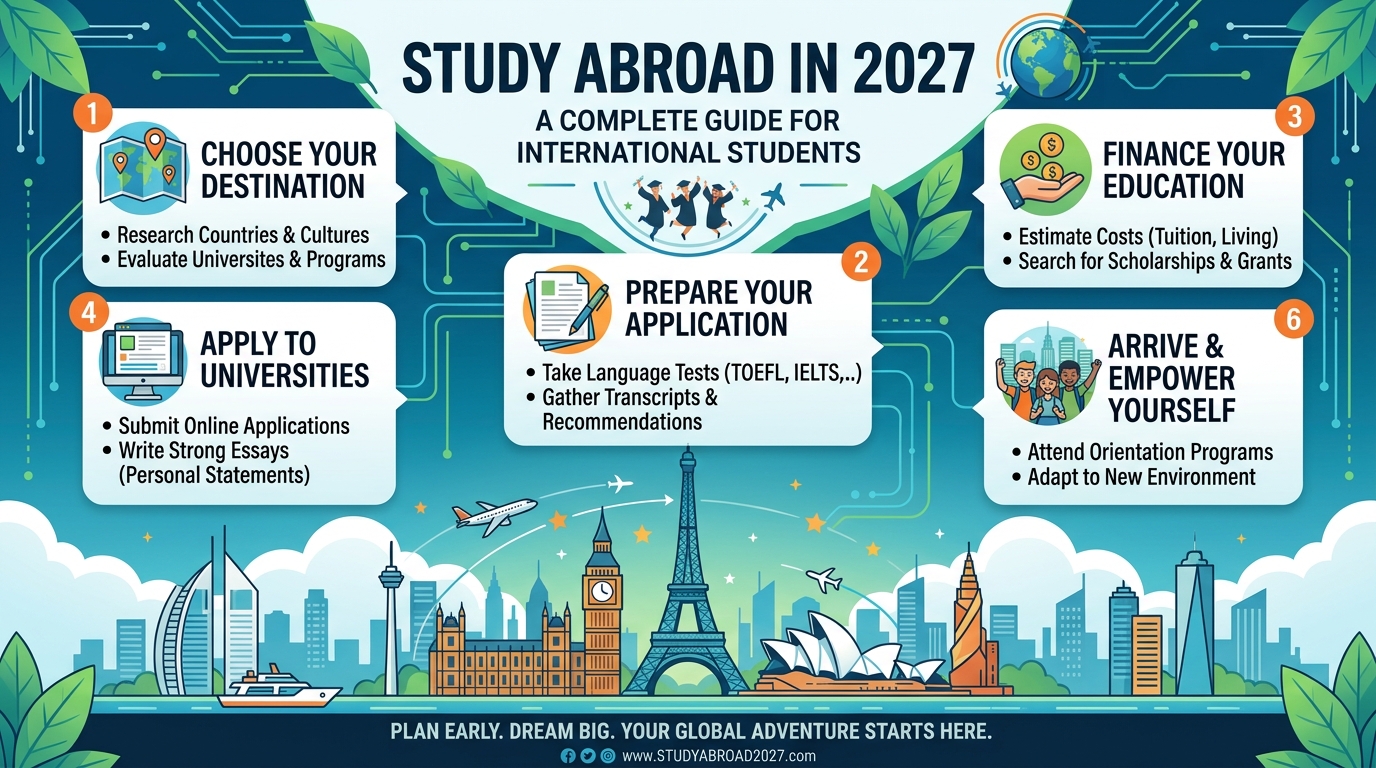
Studying in the United Kingdom is a dream for many students around the world. Renowned for its prestigious universities, rich academic heritage, and diverse cultural experiences, the UK offers a multitude of opportunities for those seeking quality education. However, with so many courses and universities to choose from, it can be overwhelming to decide which one is the best fit for you. In this article, we will guide you through the process of choosing the best course to study in the UK, ensuring that you make an informed decision that aligns with your academic and career goals.

Factors to consider when choosing a course to study in the UK
Before diving into researching specific courses, it is essential to consider several factors that will influence your decision. First and foremost, you should identify your interests, strengths, and long-term career aspirations. Understanding your passion and goals will help you narrow down the options and select a course that aligns with your ambitions.
Another crucial factor to consider is the entry requirements for each course. Different courses may have specific academic prerequisites, such as certain grades or subject backgrounds. It is essential to evaluate whether you meet these requirements and, if not, whether you are willing to put in the necessary effort to meet them.
Financial considerations are also significant when choosing a course to study in the UK. Tuition fees and living costs vary across universities and cities, so it is crucial to have a realistic budget in mind. Additionally, you may want to explore scholarship opportunities or part-time job prospects to support your studies financially.
Researching the best courses in the UK
Once you have identified your interests, strengths, and career goals, it is time to dive into researching the best courses in the UK. Start by exploring the websites of different universities and their respective departments. Most universities provide comprehensive information about the courses they offer, including modules, assessment methods, and potential career paths.
While researching, pay attention to the course structure and content. Look for modules that align with your interests and provide valuable knowledge and skills for your desired career. Consider whether the course offers industry placements or internships, as these can greatly enhance your employability upon graduation.
Additionally, read student testimonials and reviews to gain insights into the quality of teaching, resources, and overall student satisfaction. Online forums and social media groups can be valuable sources of information, allowing you to connect with current or past students who can provide authentic perspectives on their course experiences.
Understanding the different types of courses available
When researching courses in the UK, you will come across various types of qualifications. Understanding the differences between these qualifications will help you make an informed decision. The three main types of qualifications offered are:
- Undergraduate courses: These are bachelor’s degree programs typically completed in three to four years. They are suitable for students who have completed their high school education or equivalent and are looking to pursue their first degree.
- Postgraduate courses: These are master’s degree programs designed for students who have already completed an undergraduate degree. Postgraduate courses provide an opportunity to specialize in a specific field and deepen your knowledge in a particular subject area.
- Research degrees: Research degrees, such as a Ph.D. or MPhil, are for individuals interested in conducting in-depth research in a specific field. These programs focus on independent research and require a high level of self-motivation and academic rigor.
Understanding the different types of courses will help you determine which level of study is most suitable for your academic and career goals.

Popular courses in the UK
The UK is renowned for its excellence in various fields of study. Some of the most popular courses among international students include:
- Business and Management: The UK is home to several prestigious business schools that offer world-class programs in areas such as finance, marketing, and entrepreneurship.
- Engineering: With a strong focus on innovation and technological advancements, the UK offers excellent engineering courses in disciplines like civil, mechanical, and electrical engineering.
- Medicine and Healthcare: The UK is known for its high-quality medical education and research. Medical courses are highly competitive but provide excellent career prospects.
- Computer Science: As technology continues to evolve, computer science courses are in high demand. The UK universities offer cutting-edge programs in areas like artificial intelligence, data science, and cybersecurity.
- Arts and Humanities: The UK has a rich cultural heritage, making it an ideal destination for studying subjects like literature, history, philosophy, and fine arts.
Top universities in the UK for specific courses
When it comes to choosing the best course to study in the UK, the reputation and ranking of the university can play a significant role. Here are some of the top universities in the UK known for their excellence in specific courses:
- University of Oxford: Renowned for its academic prowess, the University of Oxford excels in various disciplines, including mathematics, law, and humanities.
- University of Cambridge: With a history dating back to 1209, the University of Cambridge is one of the oldest and most prestigious universities in the world. It offers exceptional courses in science, engineering, and social sciences.
- Imperial College London: Particularly known for its programs in science, technology, engineering, and medicine, Imperial College London is consistently ranked among the top universities globally.
- London School of Economics and Political Science (LSE): LSE is renowned for its social sciences courses, including economics, politics, and international relations.
- University College London (UCL): UCL offers a wide range of courses across various disciplines, with particular strengths in subjects like architecture, engineering, and life sciences.
Tips for selecting the best course to study in the UK
Choosing the best course to study in the UK can be a daunting task, but the following tips will help you navigate the process:
- Attend university open days: Visit universities during their open days to get a feel for the campus, chat with faculty members, and meet current students. This firsthand experience will provide valuable insights into the university’s atmosphere and facilities.
- Seek guidance from academic advisors: Consult with your teachers or academic advisors who can provide guidance based on your academic interests and strengths. They may also recommend universities or courses that align with your goals.
- Consider future employability: Research the career prospects of the courses you are interested in. Look for courses that have strong industry links, offer internships or work placements, or have a high rate of graduate employment.
- Network with professionals in your desired field: Reach out to professionals working in the field you aspire to enter. They can provide insights into the skills and qualifications that are valued in the industry, helping you make an informed decision.
Resources for finding information about courses in the UK
Finding accurate and up-to-date information about courses in the UK is crucial for making an informed decision. Here are some reliable resources to aid your research:
- UCAS (Universities and Colleges Admissions Service): The official UCAS website provides comprehensive information about courses, universities, entry requirements, and application processes.
- University websites: Visit the websites of different universities to access detailed information about the courses they offer, including modules, teaching methods, and assessment criteria.
- Subject-specific websites: Many subjects have dedicated websites or forums that provide insights into specific courses and career paths. These resources can offer valuable perspectives from professionals in the field.
- Alumni networks: Reach out to alumni from your desired universities or courses. They can provide firsthand experiences and advice based on their own educational journeys.
Applying for a course in the UK
Once you have narrowed down your choices and identified the best course to study in the UK, it is time to start the application process. Each university will have specific application requirements and deadlines, so it is crucial to stay organized and meet all the necessary criteria.
Start by filling out the application form on the UCAS website. This form will require personal information, academic qualifications, and a personal statement where you can express your motivation and suitability for the course. Make sure to proofread your application thoroughly before submitting it.
In addition to the application form, you may need to provide letters of recommendation, academic transcripts, and evidence of English language proficiency, depending on the course and university requirements. It is essential to gather all the necessary documents well in advance to avoid any last-minute complications.
Choosing the best course to study in the UK is a significant decision that will shape your academic and professional journey. By considering your interests, researching the available courses, and exploring different universities, you can make an informed decision that aligns with your goals. Remember to seek guidance from academic advisors, attend university open days, and utilize reliable resources during your research. With careful consideration and thorough planning, you can embark on a rewarding educational experience in the UK that sets the foundation for a successful career.