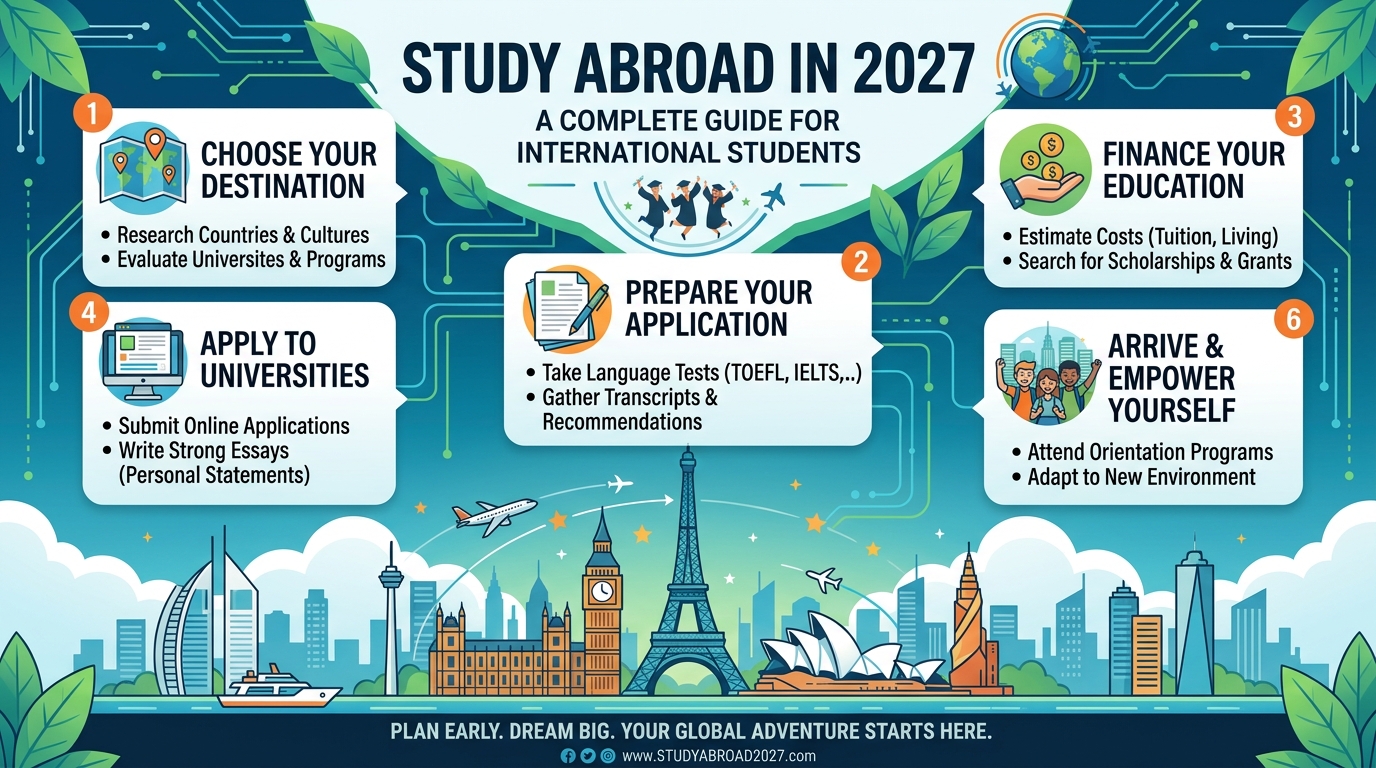
Studying in the United States is a dream for many international students. With its world-class education system, diverse culture, and vast opportunities, the USA offers a unique learning experience that can shape your future. However, before you can embark on this exciting journey, it is essential to understand the requirements for international students to study in the USA. In this comprehensive guide, we will explore the various aspects of studying in the USA, including academic requirements, English language proficiency, financial obligations, visa requirements, health insurance, housing options, cultural adjustment, support services, and more. By the end, you will have all the necessary information to unlock the doors to American education.
Why study in the USA?
The United States has long been recognized as a global leader in education, attracting students from all over the world. There are several reasons why studying in the USA is a popular choice among international students:
World-class education system
The USA is home to many prestigious universities and colleges renowned for their academic excellence. These institutions offer a wide range of programs and courses across various fields, ensuring that international students have ample choices to pursue their desired areas of study.
Diverse cultural experience
Studying in the USA provides a unique opportunity to immerse yourself in a diverse and multicultural environment. You will have the chance to interact with students from different backgrounds, cultures, and perspectives, broadening your horizons and enhancing your global outlook.
Career prospects and opportunities
A degree from an American institution carries significant weight in the global job market. The USA is known for its strong industry connections and research opportunities, providing international students with valuable hands-on experience and networking opportunities that can boost their career prospects.
Personal growth and development
Studying in a foreign country is a transformative experience that fosters personal growth and independence. Living away from home, navigating a new culture, and overcoming challenges will shape you into a resilient and adaptable individual, preparing you for future endeavors.
Overview of the requirements for international students
Before diving into the specific requirements for studying in the USA, it is crucial to have a general understanding of the overall application process. The requirements may vary depending on the institution and the level of study (undergraduate or graduate). Here is a brief overview:
Application documentation
To apply to a U.S. institution, you will typically need to submit the following documents:
- Completed application form
- Transcripts or academic records
- Standardized test scores (such as the SAT or ACT)
- Letters of recommendation
- Personal statement or essay
- Proof of English language proficiency
- Financial documentation
Admission criteria
Each institution sets its admission criteria, which may include a minimum GPA requirement, standardized test scores, prerequisite courses, and specific program requirements. It is essential to research and understand the admission criteria of your chosen institution to ensure you meet the requirements.
Deadlines
It is crucial to adhere to the application deadlines set by the institutions you are applying to. Missing deadlines can result in your application being disregarded, so it is essential to plan and submit your application well in advance.
Academic requirements for international students
One of the essential requirements for international students to study in the USA is meeting the academic standards set by the institutions. Each institution has its specific requirements, but here are some general guidelines:
Educational background
To be eligible for undergraduate programs, international students must have completed their secondary education or its equivalent. This typically includes a high school diploma or an equivalent qualification. Some institutions may also require prerequisite courses or specific subjects to be completed before admission.
For graduate programs, international students must hold a bachelor’s degree or its equivalent from a recognized institution. Some programs may have specific prerequisites or additional requirements, such as relevant work experience or a certain GPA.
Transcripts and academic records
When applying to U.S. institutions, you will need to provide official transcripts and academic records from your previous educational institutions. These documents should outline the courses you have taken, the grades you have achieved, and any degrees or certifications you have obtained.
Standardized tests
Many U.S. institutions require international students to submit standardized test scores as part of their application. The most common tests include the SAT (Scholastic Assessment Test) and the ACT (American College Testing). These tests assess your knowledge in areas such as English, mathematics, and critical thinking.
It is essential to research the specific test requirements for each institution and plan accordingly. Taking preparatory courses or seeking guidance from test preparation services can help you achieve the scores required for admission.
English language proficiency requirements
Proficiency in the English language is a crucial requirement for international students planning to study in the USA. Most U.S. institutions require proof of English language proficiency to ensure that students can effectively participate in academic activities. Here are some common tests and certifications accepted by U.S. institutions:
TOEFL (Test of English as a Foreign Language)
The TOEFL is a widely accepted English proficiency test that assesses your reading, writing, listening, and speaking skills. The test is administered online and measures your ability to understand and use English in an academic setting.
IELTS (International English Language Testing System)
The IELTS is another popular English proficiency test that evaluates your reading, writing, listening, and speaking skills. It is accepted by many U.S. institutions and provides a comprehensive assessment of your English language abilities.
Other accepted certifications
Some institutions may also accept other English language certifications, such as the Cambridge English Exams (FCE, CAE, CPE) or the Pearson Test of English (PTE). It is essential to check the specific requirements of each institution to determine which certifications are accepted.
To meet the English language proficiency requirements, it is advisable to start preparing for the tests well in advance. Taking English language courses, practicing regularly, and seeking guidance from test preparation services can significantly improve your chances of achieving the required scores.
Financial requirements and scholarships for international students

Studying in the USA can be a significant financial investment. International students are generally required to demonstrate their ability to fund their education and living expenses while studying in the USA. Here are some key aspects to consider:
Tuition fees and living expenses
Tuition fees vary depending on the institution, program, and level of study. It is essential to research the tuition fees of your chosen institution to estimate the financial obligations accurately. In addition to tuition fees, you will also need to consider living expenses, including accommodation, food, transportation, and personal expenses.
Financial documentation
To demonstrate your ability to fund your education, you will need to provide financial documentation, such as bank statements, sponsor letters, or scholarship letters. The specific financial requirements may vary depending on the institution, and it is essential to check the guidelines provided by each institution.
Scholarships and financial aid
Many U.S. institutions offer scholarships and financial aid programs for international students. These scholarships can significantly reduce the financial burden and make studying in the USA more affordable. It is advisable to research the scholarship opportunities available at your chosen institution and apply for relevant scholarships well in advance.
Additionally, there are several external scholarship programs and organizations that provide financial assistance to international students. Exploring these options and submitting applications can increase your chances of receiving funding.
Visa requirements for studying in the USA
Obtaining a student visa is a crucial step for international students planning to study in the USA. The process can seem daunting, but with proper preparation and understanding of the requirements, it can be navigated smoothly. Here are the key steps involved in obtaining a student visa:
SEVIS and Form I-20
The first step in the visa application process is to obtain a Form I-20 from the institution you have been accepted to. The Form I-20 is a document issued by the institution that certifies your eligibility for a student visa. To receive the Form I-20, you will need to provide financial documentation and other necessary information to the institution.
Once you have received the Form I-20, you will be required to pay the SEVIS (Student and Exchange Visitor Information System) fee. This fee supports the administration of the student visa program and must be paid before applying for a visa.
DS-160 application
After paying the SEVIS fee, you will need to complete the DS-160 application online. The DS-160 is a non-immigrant visa application form that collects your personal and background information. It is crucial to provide accurate and truthful information in the application.
Visa interview
Once the DS-160 application is completed, you will need to schedule an appointment for a visa interview at the U.S. embassy or consulate in your home country. The visa interview is an opportunity for the consular officer to assess your eligibility for a student visa. It is essential to be well-prepared for the interview and have all the necessary documents, including your Form I-20, financial documentation, and proof of ties to your home country.
During the interview, you will be asked questions about your academic plans, financial situation, and intent to return to your home country after completing your studies. It is important to demonstrate your genuine intention to study in the USA and your ability to finance your education.
Visa issuance and travel to the USA
If your visa application is approved, the consular officer will issue a student visa, typically an F-1 visa for academic studies. You will receive your passport with the visa stamped, allowing you to travel to the USA for your studies. It is important to check the visa validity and any additional requirements or restrictions before traveling.
Health insurance and medical requirements for international students
As an international student studying in the USA, it is crucial to have adequate health insurance coverage. The U.S. healthcare system can be complex and expensive, and having health insurance provides financial protection in case of medical emergencies. Here are some key considerations:
University-provided health insurance
Many U.S. institutions require international students to have health insurance coverage and offer their own university-provided plans. These plans are specifically designed for students and often provide comprehensive coverage at affordable rates. It is important to understand the coverage details, including deductibles, co-pays, and limitations.
Private health insurance
If your institution does not offer a university-provided health insurance plan or if you prefer to have more flexibility in choosing your coverage, you can explore private health insurance options. Several insurance providers offer plans specifically tailored for international students. It is important to compare different options and choose a plan that meets your needs and budget.
Medical requirements and vaccinations
Before traveling to the USA, it is essential to check the medical requirements and vaccinations recommended by your institution and the U.S. government. Some institutions may have specific health requirements, such as tuberculosis screening or immunizations. It is important to fulfill these requirements before starting your studies to ensure a smooth transition.
Housing and accommodation options for international students
Finding suitable housing and accommodation is an important consideration for international students studying in the USA. Here are some common options to explore:
On-campus housing
Many U.S. institutions offer on-campus housing options for international students. These include dormitories, residence halls, or apartments specifically designated for students. On-campus housing provides convenience, proximity to campus facilities, and opportunities to connect with fellow students.
Off-campus housing
Off-campus housing options include renting apartments, shared houses, or homestays in the surrounding community. This option provides more independence and flexibility in choosing your living arrangements. It is important to consider factors such as location, safety, transportation options, and rental costs when searching for off-campus housing.
Homestays
A homestay involves living with a local host family, providing an immersive cultural experience. This option allows you to practice English, learn about American culture, and receive support from your host family. Homestays can be arranged through specialized agencies or the international student office at your institution.
When searching for housing, it is important to start early and consider your budget, preferences, and the location of your institution. Utilizing online resources, seeking guidance from your institution’s housing office, and connecting with other international students can help you find suitable accommodation.
Cultural and social adjustment for international students
Adapting to a new culture and navigating social dynamics can be challenging for international students studying in the USA. Here are some tips to ease the cultural and social adjustment process:
Embrace cultural differences
The USA is a culturally diverse country with people from various backgrounds. Embrace the diversity and take the opportunity to learn about different cultures, traditions, and perspectives. Engage with local communities, join cultural clubs or organizations, and participate in cultural events to broaden your understanding.
Build a support network
Building a support network is crucial for a smooth adjustment process. Connect with other international students, join student organizations, and participate in orientation programs offered by your institution. These platforms provide opportunities to make friends, share experiences, and seek guidance from fellow students who may be facing similar challenges.
Seek support services
Most U.S. institutions have support services specifically designed for international students. These services may include academic advising, counseling, language assistance, and cultural integration programs. Take advantage of these resources to address any concerns or difficulties you may encounter during your studies.
Stay connected with home
While embracing your new environment is important, it is also essential to stay connected with your home country and your loved ones. Use technology to stay in touch with family and friends, share your experiences, and seek support when needed. Maintaining a balance between your new life in the USA and your connections back home can help alleviate feelings of homesickness.
Support services for international students
International students studying in the USA have access to a wide range of support services that cater to their unique needs. Here are some common support services offered by U.S. institutions:
International student offices
Most institutions have dedicated international student offices that provide a wide range of services, including visa and immigration support, academic advising, cultural integration programs, and assistance with practical matters such as housing and healthcare.
Language support
If English is not your first language, many institutions offer language support services to help you improve your English language skills. These services may include English language courses, conversation groups, or language tutoring.
Academic support
U.S. institutions provide various academic support services to ensure the success of international students. These services may include tutoring, study groups, writing centers, and workshops on academic skills and strategies.
Counseling and mental health services
Moving to a new country and adjusting to a new environment can be emotionally challenging. Many institutions have counseling and mental health services to support international students